How to Lower Your Risk of Having a Heart Attack

May 11, 2012 by

How to Lower Your Risk of Having a Heart Attack

Heart disease has been ranked as the primary cause of death for men and women in the United States alone. This is because the arteries that supply our hearts with nutrients, oxygen and blood are narrowed and blocked. Cholesterol builds up inside the arterial walls and leads to the dreaded disease called coronary artery disease. When fatty deposits accumulate in the long run, the flow of oxygenated blood to the heart is blocked and this poses a serious health threat to the person. There are several factors which contribute to heart diseases such as smoking, drinking and having a poor diet. If you are starting to worry about developing the illness, you can still prevent it by heeding these simple and easy pieces of advice.

  1. Cut down your cholesterol - Since a high level of cholesterol greatly increases the risk of having coronary heart disease, aim to lessen your intake of foods that contain too much of the bad stuff.
  2. Keep a healthy weight - Unhealthy lifestyle as well as obesity exacerbate your chance of getting heart diseases. Make sure to maintain an ideal weight according to your age, height and body type.
  3. Make sure to exercise regularly - To get rid of excessive fats and to keep a healthy weight, try to get involved in physical activities on a regular basis. Brisk walking, running, jogging and even hitting the gym can help a lot to prevent cardiovascular diseases from developing.
  4. Quit smoking - Smoking cessation makes it possible for people to decrease their risks of incurring heart attacks.
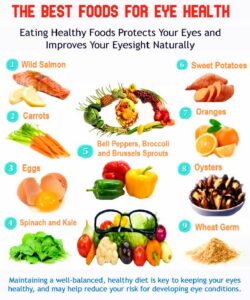
  5. Eat more fruits and vegetables - Avoid foods which are high in saturated fats and opt for the ones rich in fiber. Consume more fruits, vegetables as well as whole grains. Green leafy produce and Vitamin C-rich veggies and fruits are known to protect the heart.
  6. Drink moderately - Always remember that excessive alcohol can damage your liver and raise your blood pressure so consume alcohol in moderate amount.
  7. Ditch foods rich in trans fat - Since trans fat is linked to increased chances of having heart diseases, opt for the foods that contain less amount of this.
  8. Make sure to get enough vitamins - Antioxidants and vitamins are promising when it comes to preventing cardiovascular diseases.
  9. Consult your physician about dietary supplements - Before swallowing any pill, ask your doctors first to learn if the supplements you want to take have any serious side effects.
  10. Learn some new stress management techniques - When you have little or poor control on stress, it can have negative effects on blood lipids. Manage stress properly.

Live a Happy Life by Knowing How to Fight Stress

Apr 27, 2012 by

Live a Happy Life by Knowing How to Fight Stress

In this fast-paced world, every person gets stressed from all the hassles they experience from work, home, school and other aspects of his life. Stress also takes many forms, and people handle it in various ways as well such as hitting someone, punching something or screaming their hearts out. In reality, these actions do not resolve much and sometimes, they could just make you feel worse. Instead of hurting yourself, other people or an inanimate object, search for healthier alternatives to release all your pent-up emotions inside. Take a look at the following steps that could help you cope up with stress.

  1. Talk to your family and friends - It is true what they say that having people you love and trust in times when you need them the most is the most comforting feeling in the entire planet. Reach out to them whenever you need help or whenever you feel like sharing your most joyous moments as well.
  2. Get yourself busy with a lot of physical activities everyday - Engaging in regular physical activities helps you relieve the physical and even mental tensions building up inside of you. Plus, it can reduce your risk of getting depressed and lethargic. Also, exercise offers diversion from the things that cause you worries.
  3. Take time to solve your problems - You can’t escape from stress unless you face your problems courageously. With the help of your family or friends, get down to business and defeat your demons.
  4. It’s good to accept defeat sometimes - As they all say, you can never win them all. Learn to accept that there are some things that you can’t change but there are new things that you can learn to compensate for these.
  5. Never blame and take it on yourself - There is no need for you to face the challenges alone. Take it easy and be kind to yourself even in times of difficulties.
  6. Laugh every time the opportunity arises - Laughter is the best medicine, and every time you feel stressed out and low, remember happy or funny moments and don’t be afraid to laugh your heart out.
  7. Let go of your bad habits - Smoking, drinking, staying up late—all these can aggravate your stress so better ditch your vices and start living healthier.
  8. Do things at your own pace - Life is not a race, so slow down and savor each moment.
  9. Get enough rest - Get six to eight hours of sleep each night to refresh yourself and restore your energy for the next day.
  10. Stay optimistic - Never think that stress is permanent.

Great Advice to Diabetics – How to Stabilize Your Blood Sugar and Keep it That Way

Apr 13, 2012 by

Great Advice to Diabetics – How to Stabilize Your Blood Sugar and Keep it That Way

Everybody seems to have a sweet tooth, but as we all know, too much of something can be dangerous—the same is true with excessively sweet stuff. Glucose, or blood sugar, has become one of the most discussed and studied health topics all around the world. This is because high blood sugar levels is directly associated to diabetes, a very serious disease that victimizes millions of people. In addition, recent studies have linked high blood sugar levels to memory difficulties, fertility issues and heart diseases. If you are one of those millions who love adding spoonfuls of sugar to their food or drink, you might want to check out some simple ways to cut down your sugar consumption.

  1. Choose your bread products very carefully - Opt for the ones that have at least 3 grams of fiber and 3 grams of protein in each serving because complex carbohydrates help slow down glucose absorption and reduce the risk of insulin level increase.
  2. Consume foods with magnesium - According to research, magnesium aids in the prevention of type 2 diabetes. So serve up leafy green vegetables more often and cut the risk of having the dreaded disease.
  3. Have dairy products as part of your daily diet - Drinking at least two serving of low-fat milk everyday will help you lessen your chances of developing insulin resistance.
  4. Drink alcohol in moderation - Sticking to just a glass of wine a day will help you reduce the risk of having diabetes.
  5. Reach for spices - Consuming spices such as cinnamon lowers the blood glucose by 18-29 percent.
  6. Make it a habit to exercise regularly - Having an active body also maintains a lower blood glucose level.
  7. Cut back your fat intake - According to American scientists, people with the highest amount of saturated fats in their blood are twice prone to developing diabetes.
  8. Make sure to get enough sleep - Experts recommend getting a consistent eight hours of sleep every night because sleep deprivation affects the levels of blood sugar and insulin.
  9. Eat on time - Never ever skip a meal because this can lead to the drop in your blood sugar level.
  10. Take time to rest- Despite your hectic schedule, find time to unwind and ease off your mind from worries. Relief from stress significantly improves glucose level in the blood.
  11. Have smaller meals - Eating small meals will help you avoid the influx of glucose into the blood and prevent insulin and blood sugar from surging.
  12. Eat legumes and nuts - High in fiber and monosaturated fats, these foods help combat increasing blood sugar levels.


Teen Health: Useful Tips on How to Stay Fit and Healthy

Mar 30, 2012 by

Teen Health: Useful Tips on How to Stay Fit and Healthy

In their journey towards adulthood, teenagers need proper guidance not only to develop socially but also to maintain their health and to take care of themselves. Everyone belonging to different age brackets need to stay in the pink of health but adolescents in particular experience a difficult time in staying on the right track because of several factors such as school load, friends and peers, family, extracurricular activities and even social expectations.

Frequently on the verge of vacillating, teenagers usually face situations where they are pushed to make unhealthy choices because of the pressure from their friends. As a responsible parent, you need to guide your teenage children to help them stay fit and healthy. Here are some useful tips that you can apply:

  1. Never allow them to skip breakfast – Deemed as the most important meal of the day, breakfast sets up the body to keep it going at the start of the day. Opt for a breakfast that has high fiber and low sugar.
  2. Turn off all electronic devices one hour before sleeping - This will help your teenagers wind down and get rid of distractions. Make sure that they get eight hours of sleep every night.
  3. Get them involved in more exercises - If you can, try to do 20-30 minutes of yoga or other form of meditation every night to help your adolescents relieve their stress and make them relax.
  4. Keep a stash of healthy snacks - Avoid purchasing salt and fat-laden chips, candies, sodas and other unhealthy stuff in your pantry to keep your children from consuming too much of these bad things. Instead, fill your cupboards and fridge with healthy alternatives such as fruits, trail mix, whole-grain products and others.
  5. Make sure to have some kind of support group for your teenagers - This will encourage them to confide their problems in school or other aspects of their lives. Having someone to talk to without judgment can help the young adults deal with their issues more effectively.
  6. Eat right on schedule - Remind your children to eat at least three meals a day to ensure that they will get proper nutrition. Ascertain that they have a balanced and healthy diet with fruits, vegetables, whole-grains, dairy and other foods belonging to the food pyramid.
  7. If needed, let them take multivitamins - Before having your teenagers swallow that capsule, it would be a good idea to consult a nutritionist-dietician to know whether your young ones really need to take vitamins.


Tips on How to Lower Down High Blood Pressure

Mar 16, 2012 by

Tips on How to Lower Down High Blood Pressure

High blood pressure is considered to be one of the most lethal diseases one can incur usually because of leading an unhealthy lifestyle. Heavy drinking, unhealthy and unbalanced diet, high consumption of salt and lack of physical activities are just a few of the reasons why many people suffer from hypertension. High blood pressure can lead to more serious problems such as heart attack or having a stroke, even untimely death. If you are worried about your body’s condition and you do not want to be another victim of this sly disease, follow these simple and easy steps to reduce the risks of contracting high blood pressure.

  1. Cut down your salt consumption - Experts say that too much sodium can shoot up blood pressure. When buying food, it is imperative that you check out the labels very carefully and opt for the low-salt varieties whenever you can.
  2. Maintain a healthy weight - If you have tipped the scale and it does not show you any love, maybe it is time to consider losing some unwanted pounds to reduce the chances of having heart problems. Choose healthy foods and get involved in more physical activities.
  3. Consume more vegetables and fruits - Nature’s bounty helps lower blood pressure and contains relatively lower amount or no cholesterol at all. They will be very helpful in fighting hypertension.
  4. Veer away from alcohol - Do not overdo drinking red wine or beer. As the advertisements say, you should drink moderately.
  5. Get more exercise - Doing exercise for 30 minutes five times a week helps to maintain a healthy heart and lower blood pressure.
  6. Take time to breathe - Meditative practices and slow breathing such as yoga and tai chi reduces stress hormones.
  7. Eat more potassium rich foods – Sweet potatoes, peas, beans, cantaloupe, honeydew melon and tomatoes are just a  few of the produce that contains high levels of potassium that lower blood pressure. Make sure to include these in your daily diet.
  8. Give in to dark chocolate - Rich in flavanols which make your blood vessels more elastic, you can eat half an ounce of dark chocolate daily. But remember to eat it in moderation as well.
  9. Consume tea - The phytochemicals found in tea can reduce blood pressure significantly. Hibiscus tea, in particular, helps lessen the chances of incurring the disease.
  10. Opt for products made of soy – According to several studies, foods made of soy or milk protein helps to bring down person’s systolic blood pressure especially if he has hypertension.
  11. Research has shown that a proper intake of fiber can help prevent heart disease, diabetes, obesity, high cholesterol, and several different kinds of cancers. Fiber also has cleansing and detoxifying effects on the body. A fiber cleanser is a great way to jumpstart the body’s natural detoxification processes.